
Shelling on Sanibel: the short version
Sanibel runs east to west, so its Gulf beaches face the incoming shells. The shallow sea floor and the fairly gentle surf add to that. Shelling here means walking the tide line, looking down and collecting empty shells. People call the bent-over walk the Sanibel Stoop.
You can collect empty shells on city beaches. You cannot collect live ones, and in the waters of the Ding Darling Refuge shell collecting is banned altogether. No one can promise what you will find on a given day. If you want a guided outing, see Sanibel shelling tours by boat.
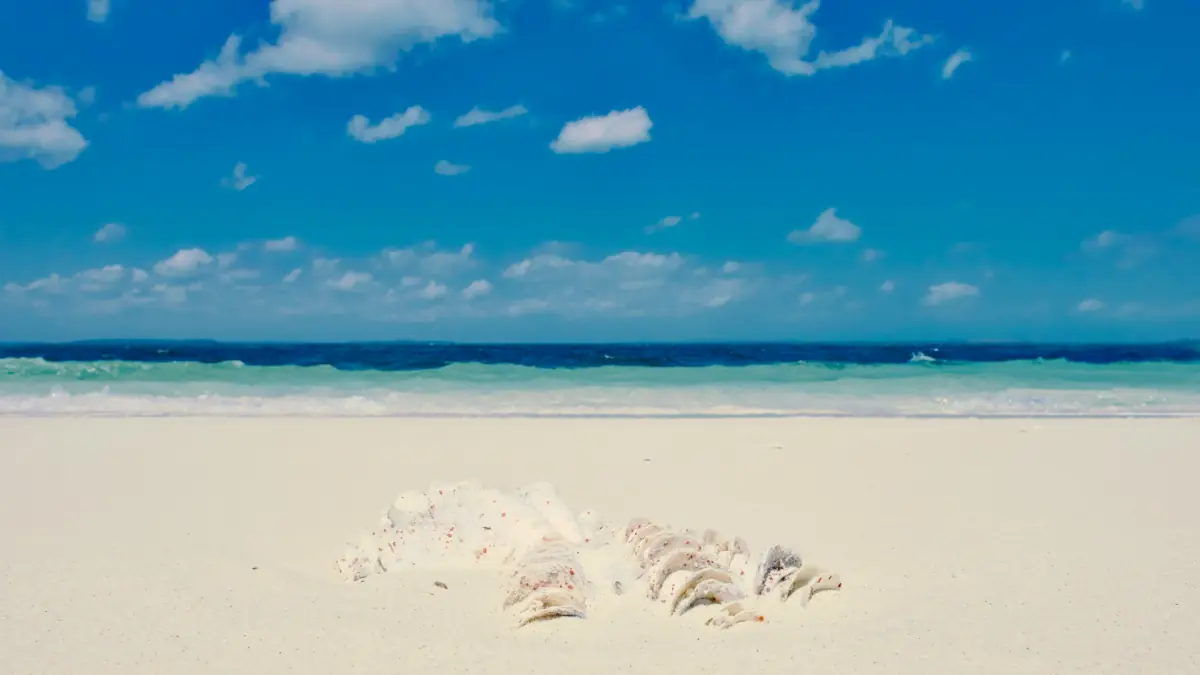
Sanibel seashells: why this island
The island's east-west direction lets the Gulf wash shells onto the beach. The shallow sea floor and the fairly gentle surf help too. None of this guarantees a number of shells on your day, and the Sanibel seashell haul varies with wind, tide and the weeks since the last storm.
The same goes for the season. Summer mornings at low tide are a good time to look. Plan around the tide and the weather on the day rather than a fixed season. After a storm, wait for beach parks to reopen and for safe conditions, and watch for hidden debris in the sand.
Our pick: a shelling kayak tour
This guided paddle comes with a mesh bag for shells and starts on the mainland, so it is a way to practise on a tour; the rules for collecting on Sanibel itself are on this page.
Hand-picked tours, booked through Viator. Prices are indicative starting prices in US dollars (as of October 2026). Tap a tour for live availability and the current price in your currency.
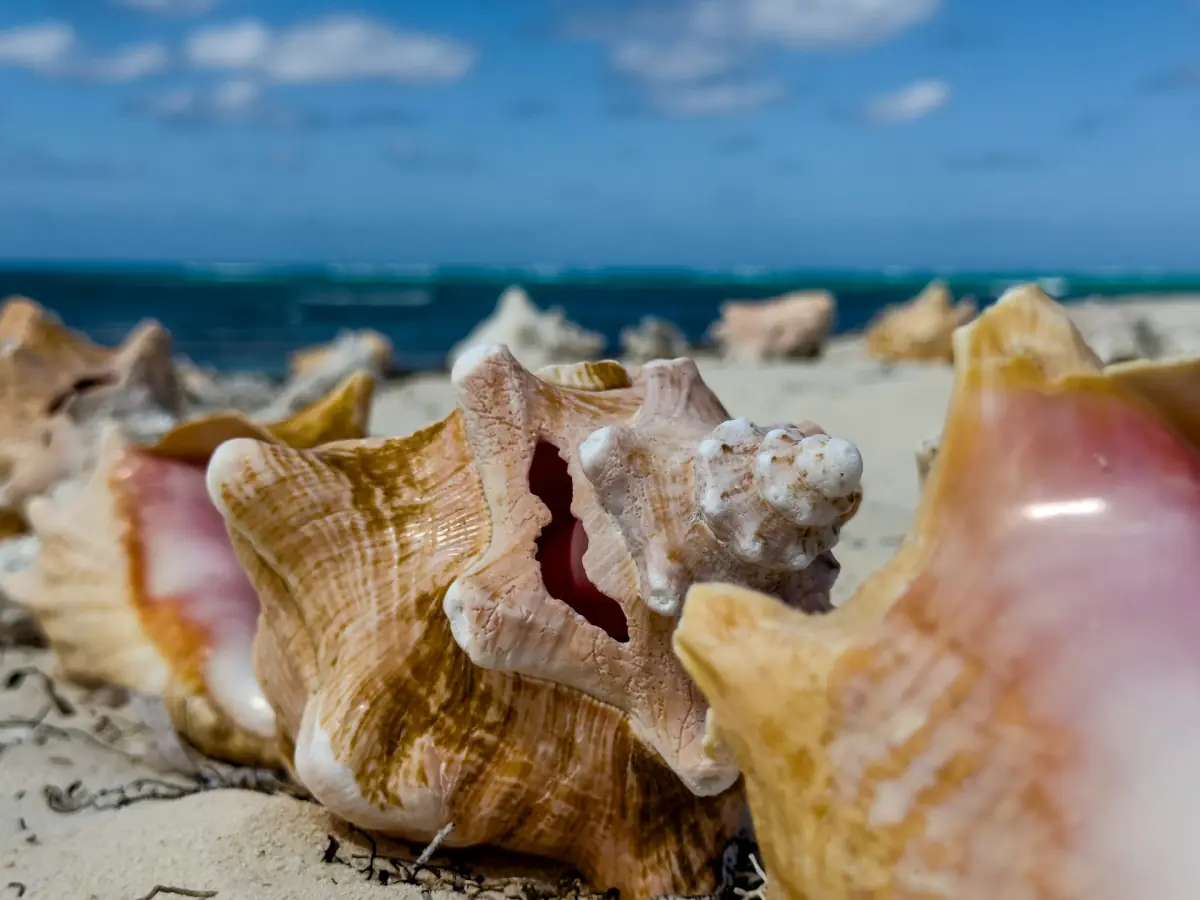
Sanibel shelling tours and boat trips
Boat trips to remote shelling beaches, dolphin cruises and kayak outings, with live prices and availability.
Where to start: beaches for shelling on Sanibel
Public beach parks with their 2026 parking and the main thing to know. This is a set of starting points, not a ranking.
| Beach park | Parking (2026) | Good to know |
|---|---|---|
| Bowman's Beach | $5 per hour, 222 spaces | About a 0.25 mile walk over Clam Bayou; restrooms, showers and changing rooms |
| Gulfside City Park (Algiers) | $5 per hour, 46 spaces | Restrooms, showers and drinking water; no RVs or trailers in the lot |
| Tarpon Bay Road Beach | $5 per hour, 76 spaces | The lot is at 205 Tarpon Bay Road, about 0.25 mile from the beach access |
| Lighthouse Beach | $5 per hour, 162 spaces | Fishing pier closed; check which lots are open |
| Blind Pass (Sanibel side) | $5 per hour, 29 spaces | Swimming not allowed; no RVs or trailers |
| Turner Beach (Captiva side) | $5 per hour, 28 spaces | Restrooms and showers; the bridge area has strong currents |
Space counts are the published totals for each lot, not free spaces on your day. For a first visit, pick a beach park with restrooms and showers, such as Bowman's Beach or Tarpon Bay Road Beach. Read the beaches page for facilities and safety notes.
Tides, mornings and wind
The plan that gives you the most time on the sand.
Go at low tide
Low tide exposes the shells the water brought in. Check the tide times for the day before you set out.
Go early
Early morning is a favored time for shelling, before the beach fills up.
Watch the wind
Strong wind can bring in fresh shells. After storms, debris can hide in the sand and water, so wear shoes.
Mind the nests
Do not disturb turtle nests or fill in holes you find on the beach. More on the rules is below.
The rule on live shells
The City of Sanibel does not allow the taking or keeping of live shells. Sand dollars, sea stars and sea urchins are protected too. If an animal is inside, it is alive and the shell stays on the beach.
The city's ban dates from 1 January 1995 and rests on Florida FWC rule 68B-26. Possible penalties for a first offense are a $500 fine and up to 60 days in jail.
The FWC rule for Lee County has exceptions for oysters, hard clams (quahogs), sunray venus clams and coquinas. That does not make shelling for live animals a visitor activity. Other harvest, license and area rules still apply. In the Ding Darling Refuge waters, shelling is banned in full.
Sea turtles nest on the beaches from 1 May to 31 October. Keep lights from shining on the beach all year, take beach furniture away between 9 p.m. and 7 a.m. and do not disturb nests or fill in holes.
Rare Sanibel shells and the Junonia
The Junonia is the shell visitors talk about most. It is a rare shell, and the living animals are hard to reach because they live in deep water. No one can give you a chance of finding one. Treat it as a story and enjoy the shells you do find.
If you would like to learn what you are looking at, the Shell Museum has a living gallery with aquariums and touch pools. Adult tickets are $25 in 2026. Check the current rate and hours before you go.
Sanibel shelling: frequently asked questions
When is the best time to go shelling on Sanibel?
Low tide in the early morning is the usual choice. Summer mornings at low tide are a good bet. Strong wind can bring in new shells.
Is shelling free on Sanibel?
Collecting empty shells costs nothing, but the beach parks charge $5 per hour for parking in 2026. A valid disabled parking permit allows free parking.
Can I take shells home?
Empty shells, yes. Live shells and live sand dollars, sea stars and sea urchins must stay. Shelling is banned in the Ding Darling Refuge waters.
How do I know if a shell is alive?
If an animal is inside, it is alive. When in doubt, put the shell back in the water and leave it.
Will I find a Junonia?
Do not count on it. The animal lives in deep water, and the shell is rare. Enjoy what the tide brings.