
Sanibel Lighthouse and Lighthouse Beach Park
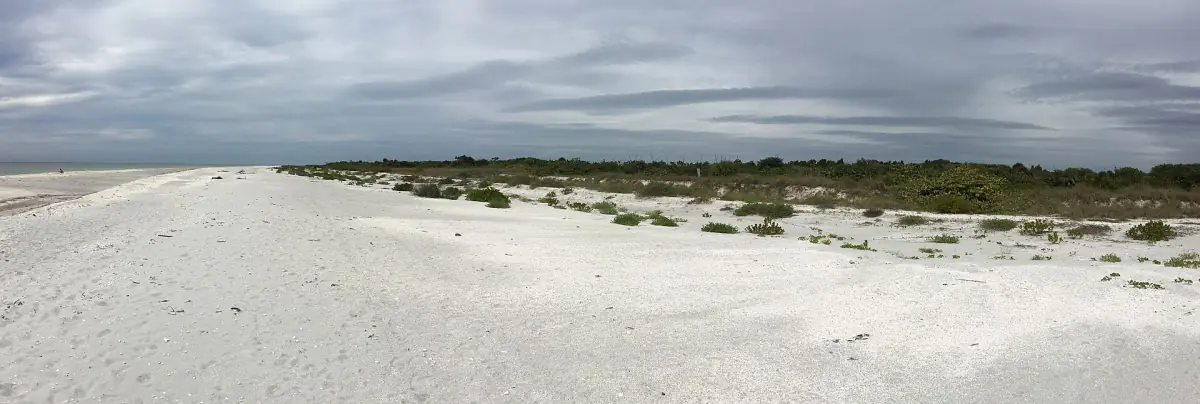
The Sanibel Lighthouse was first lit in 1884 and marks the East End of the island, where the beach park gives you a clear view. The tower is not open for public visits, so you see it from outside. The park itself is open for walking, sitting on the sand and looking for shells.
The fishing pier is closed until further notice. The city is working on temporary repairs and a permanent replacement, but there is no firm reopening date. Do not plan a visit around fishing from the pier.
Our pick: lighthouse views from the water
The tower is closed to visitors, so a sunset cruise is the way to see the lighthouse from a different angle.
Hand-picked tours, booked through Viator. Prices are indicative starting prices in US dollars (as of October 2026). Tap a tour for live availability and the current price in your currency.
Sanibel Island tours and day trips
Shelling trips, dolphin cruises, kayak tours and day trips, with live prices and availability.
Parking, fishing and facilities
What the beach park offers in 2026.
Parking fee
Parking costs $5 per hour and is charged 24 hours a day. A valid disabled parking permit allows free parking. The park has 162 marked spaces, which is the nominal number and not a count of what is free on your day.
Lots can close
An open beach park does not mean every lot is open. Some lots can be closed while the park is open. Check the current beach status before you drive out.
Fishing
The fishing pier is closed, so the park is for walking, sitting and shelling for now. Check the current status before you bring a rod.
Restrooms and showers
The park has restrooms and outdoor showers.
Debris after Ian
Debris from Hurricane Ian can still lie hidden in the sand and water. Wear shoes on the beach and in the shallows. Read our hurricane and recovery guide for the wider picture.
For most visitors, the lighthouse is a short stop, not a full day. Pair it with a walk on the beach, a swim where the water allows it, or a sunset. Remember that "open park" does not mean "safe to swim": follow the signs.
How to plan a Sanibel Lighthouse visit
A short list for the East End.
Getting there
The lighthouse is at the island's eastern end, so you reach it soon after the causeway. A car with 2 axles pays $6 with a transponder or prepaid account, or $9 by plate, to cross toward the island. Details are in how to get to Sanibel.
Time on the sand
Because parking is $5 per hour around the clock, a short visit costs little and a long beach day adds up. Decide how long you want to stay before you park.
Combine with a boat trip
Many visitors pair the East End with a water trip. The Sanibel dolphin tours page compares shared cruises and private boats.
Sea turtles and lights at the lighthouse beach
Sea turtle nesting season runs from 1 May to 31 October. The rules against beach lighting apply all year, not only during the season. Keep lights off the sand, close curtains at night and do not disturb nests. Furniture must come off the beach between 9 p.m. and 7 a.m., and holes must be filled in.
The lighting rule covers light from inside buildings as well as outdoor light, so it also matters if you stay near the beach.
History in brief
Why the lighthouse matters on Sanibel.
The light was first lit in 1884, long before the causeway opened in 1963. It stands at the East End, at the island's eastern tip. For more dates and the people behind the island, see the history of Sanibel.
Sanibel Lighthouse: frequently asked questions
Can you go up the Sanibel Lighthouse?
No. The tower is not open for public visits. You can see it from the beach park and take photos from the ground.
Is the fishing pier open?
No. The fishing pier is closed until further notice. The city is planning a replacement and temporary repairs, with no firm reopening date.
How much is parking at the lighthouse?
$5 per hour, charged around the clock in 2026. Parking is free with a valid disabled parking permit.
Are there restrooms and showers?
Yes, the park has restrooms and outdoor showers.
When was the Sanibel Lighthouse built?
It was first lit in 1884.