
A short history of Sanibel
Sanibel is a barrier island off Florida's southwest coast. People have lived here for a very long time, and Calusa shell mounds remain on the island. Later dates tie to the lighthouse, the Causeway, the refuge and the city.
The sections below separate old dates from what you can visit today. For current access, use the pages on the Sanibel Lighthouse and the Ding Darling refuge, and see Sanibel Island tours for ways to see the island.
Sanibel Island tours and day trips
See the island on a shelling trip, a dolphin cruise or a kayak tour, with live prices and availability.
Timeline
The dates that shaped the island.
| Year | Event |
|---|---|
| 1884 | The Sanibel Lighthouse is first lit. |
| 1945 | The wildlife refuge is established. |
| 1963 | The Causeway is built. |
| 1967 | The refuge is renamed after Jay Norwood "Ding" Darling. |
| 5 November 1974 | The City of Sanibel is founded. |
| 1 January 1995 | The ban on taking live shells applies within the city. |
| 2022 and 2024 | Hurricanes Ian, Helene and Milton hit the island. |
The Calusa and the shell mounds
Sanibel has a long Indigenous settlement history, and Calusa shell mounds remain on the island. Not every pile of shells on the beach is an archaeological site, so treat the mounds that are protected with care. The trail to the Calusa Shell Mound at the refuge is closed; the Ding Darling guide has the current access.
The lighthouse and the Causeway
The Sanibel Lighthouse was first lit in 1884 at the east end of the island. Today the park around it is open, but the tower is not open for public visits. Read the Sanibel Lighthouse page for parking and access.
The Causeway from the mainland was built in 1963 and is still the road link. The latest repair project reached its completion date on 1 November 2025, as described in hurricanes and recovery.
Ding Darling and the refuge
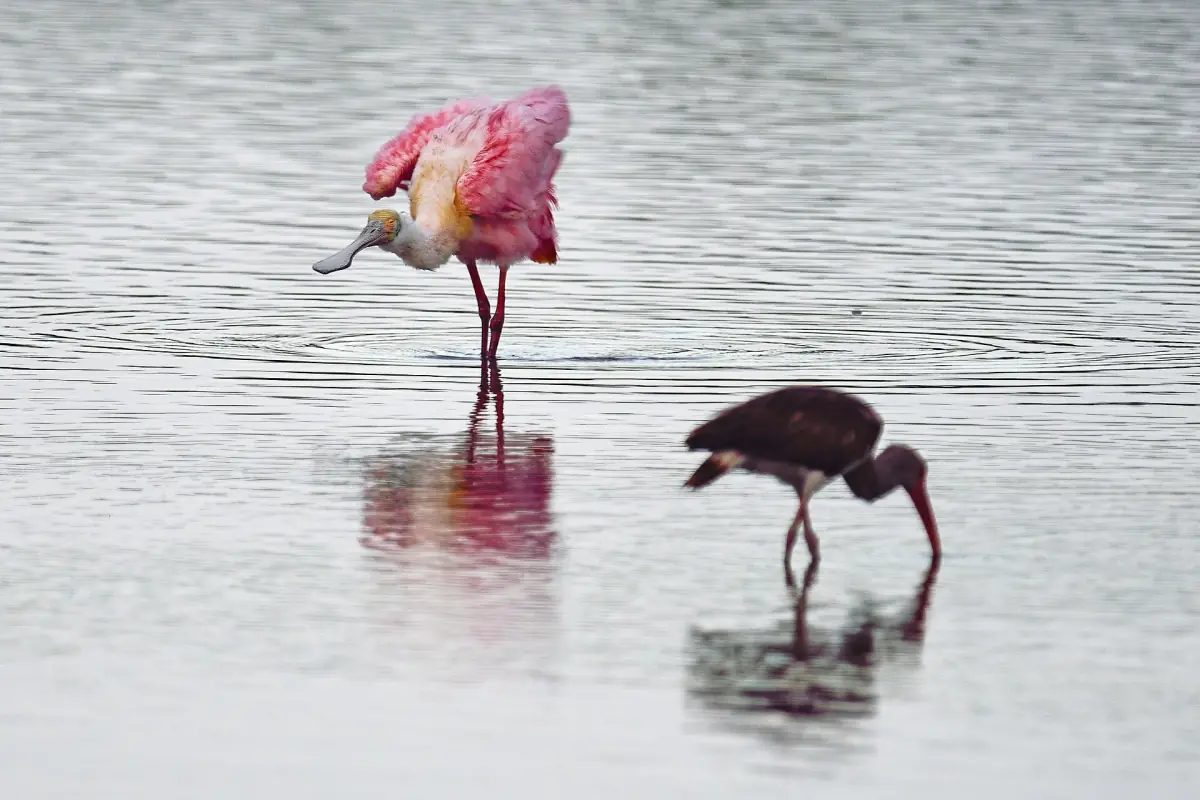
Jay Norwood "Ding" Darling was a conservationist who helped protect land from being sold to developers and who took part in founding the refuge. The refuge was established in 1945 and renamed for him in 1967. It covers more than 6,470 acres.
The city and the island today
The City of Sanibel was founded on 5 November 1974, and it sits in Lee County. The census counted 6,382 residents in 2020, and an estimate for 1 July 2025 gave 6,303. The land area in the 2020 census is 16.18 square miles (41.91 km²).
Within the city, the rule against taking live shells has applied since 1 January 1995. Read the shelling guide before you collect anything. Captiva, the island to the north, is not part of the city. See Captiva Island.
Where to see the history today
The Sanibel Historical Museum and Village at 950 Dunlop Road is a separate organization from the shell museum. Parking is free.
| Item | Details, 2026 |
|---|---|
| Self-guided admission | $20 from age 19, $10 for ages 6 to 18, free up to age 5 |
| Hours | Tuesday to Saturday: 10 a.m. to 3 p.m. from mid-October to April, 10 a.m. to 1 p.m. from May to July |
| Closed | August to mid-October, seasonally |
| Guided tour | Thursdays at 10:30 a.m.; groups by arrangement |
Last tickets are sold 1 hour before closing. For most visitors who want the island's past in one stop, this is the place to start, and the lighthouse park and the refuge add the setting. If you also want the shell museum, see the Sanibel shell museum page.
Sanibel history: frequently asked questions
When was the Sanibel Lighthouse first lit?
In 1884. The park around it is open, but the tower is not open for public visits.
When was the Sanibel Causeway built?
In 1963. It remains the road link to the mainland.
Who was Ding Darling?
Jay Norwood "Ding" Darling was a conservationist involved in saving land from developers and in founding the refuge. It was established in 1945 and renamed for him in 1967.
When did Sanibel become a city?
The City of Sanibel was founded on 5 November 1974.
Who lived on Sanibel first?
People have lived on the island for a very long time, and Calusa shell mounds remain.